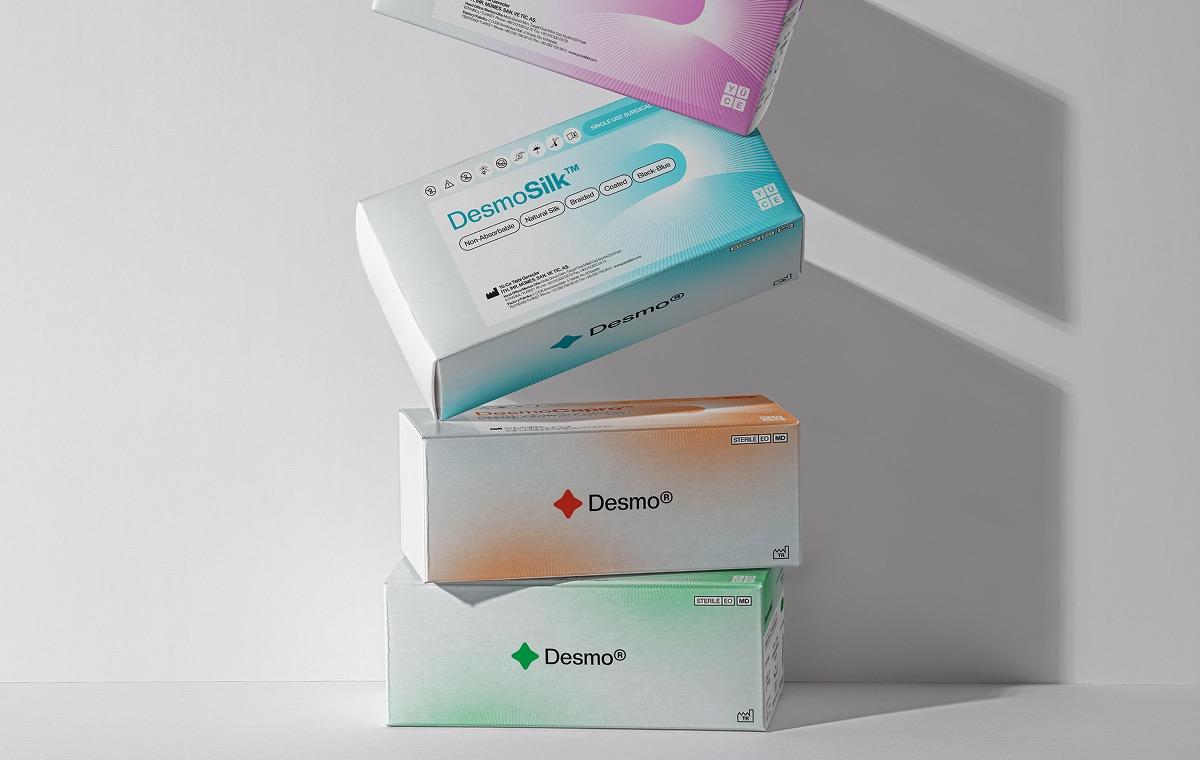
Eco-Friendly Surgical Sutures: Sustainability in the Operating Room
The healthcare industry generates over 5 million tons of waste annually in the U.S. alone. Eco-friendly surgical sutures — made from bio-based polymers and packaged in recyclable materials — represent a tangible step toward greener operating rooms.
Why Does Sustainability Matter in Surgery?
Operating rooms are among the most resource-intensive environments in healthcare. A single surgical procedure can generate 20–30 kg of waste, and sutures — with their multi-layer sterile packaging and synthetic polymer composition — contribute meaningfully to that footprint. As hospitals adopt ESG (Environmental, Social, and Governance) targets, demand for sustainable surgical consumables is growing rapidly.
What Makes a Suture "Eco-Friendly"?
Sustainability in sutures can be addressed at multiple levels:
- Bio-based polymers — sutures derived from renewable feedstocks (e.g., polylactic acid from corn starch) rather than petroleum-based plastics.
- Reduced packaging — single-layer recyclable foil pouches replacing multi-layer plastic-aluminum laminates, reducing packaging weight by up to 60%.
- Carbon-neutral manufacturing — production facilities powered by renewable energy with verified carbon offset programs.
- Biodegradable needles — early-stage research into iron-based alloy needles that corrode safely in landfill, replacing stainless steel.
Does Going Green Compromise Performance?
This is the critical question for surgeons. The answer, increasingly, is no. Bio-based PLA sutures have demonstrated tensile strength and knot security equivalent to petroleum-based polyglactin in preclinical testing. Absorption profiles are comparable, and tissue reactivity is similar or lower.
"Surgeons should not have to choose between clinical performance and planetary health. Modern bio-based sutures prove they don't have to." — Green Surgery Initiative, 2026
Desmo Care's Sustainability Commitment
Desmo Care has already launched eco-friendly packaging across key product lines, reducing plastic use by 40% per unit. We are now evaluating bio-based polymer formulations for our absorbable suture range and targeting carbon-neutral certification for our primary manufacturing facility by 2028. Sustainability is not a marketing exercise — it is a core engineering objective.
The Path Forward
As procurement departments increasingly weigh sustainability scores alongside clinical performance, manufacturers that invest early in green technologies will gain a competitive edge. The operating room of the future will be cleaner in every sense.