Hospital Cost Reduction: 20-40% Savings Through Smart Suture Procurement
Hospitals spend $50,000–$300,000 annually on surgical sutures. Strategic procurement — including direct manufacturer sourcing, standardization, and volume consolidation — can reduce suture costs by 20–40% without compromising clinical quality.
How Much Do Hospitals Spend on Sutures?
Surgical sutures represent 2–5% of total surgical supply costs, with medium-sized hospitals spending $50,000–$150,000 annually and large academic medical centers exceeding $300,000. While individual suture packets cost $2–$25, the aggregate spend across thousands of procedures makes sutures a significant procurement category ripe for optimization.
Why Are Hospitals Overpaying for Sutures?
Several structural factors inflate suture costs in hospital procurement:
- Brand inertia: Surgeon preference for legacy brands without evidence-based differentiation
- Distributor markups: Multi-tier distribution chains add 30–60% to manufacturer prices
- SKU proliferation: Excessive product variety increases inventory carrying costs and waste from expiration
- Lack of competitive bidding: Single-source contracts eliminate price competition
5 Strategies for 20–40% Suture Cost Reduction
1. Source Directly from Certified Manufacturers
Bypassing distributors and purchasing directly from ISO 13485-certified manufacturers can reduce per-unit costs by 25–40%. Direct sourcing also enables better quality assurance, custom packaging, and responsive technical support.
2. Standardize Your Suture Formulary
Most hospitals can reduce their suture SKUs by 30–50% without impacting clinical outcomes. A standardization committee — including surgeons, OR nurses, and procurement — can identify redundant products and consolidate to a rational formulary.
3. Consolidate Volume with Fewer Suppliers
Concentrating spend with 2–3 qualified suppliers increases negotiating leverage and unlocks volume-based pricing tiers. Hospitals that consolidate suture suppliers report average savings of 15–25%.
4. Implement Waste Reduction Programs
Suture waste from opened-but-unused packets, expired inventory, and preference card errors costs hospitals 8–15% of their total suture spend. Real-time inventory tracking and preference card audits can recapture these losses.
5. Evaluate Total Cost of Ownership
The cheapest suture per packet is not always the most cost-effective. Factor in complication rates, reoperation costs, and OR time when comparing suture options. Value-based procurement considers outcomes alongside price.
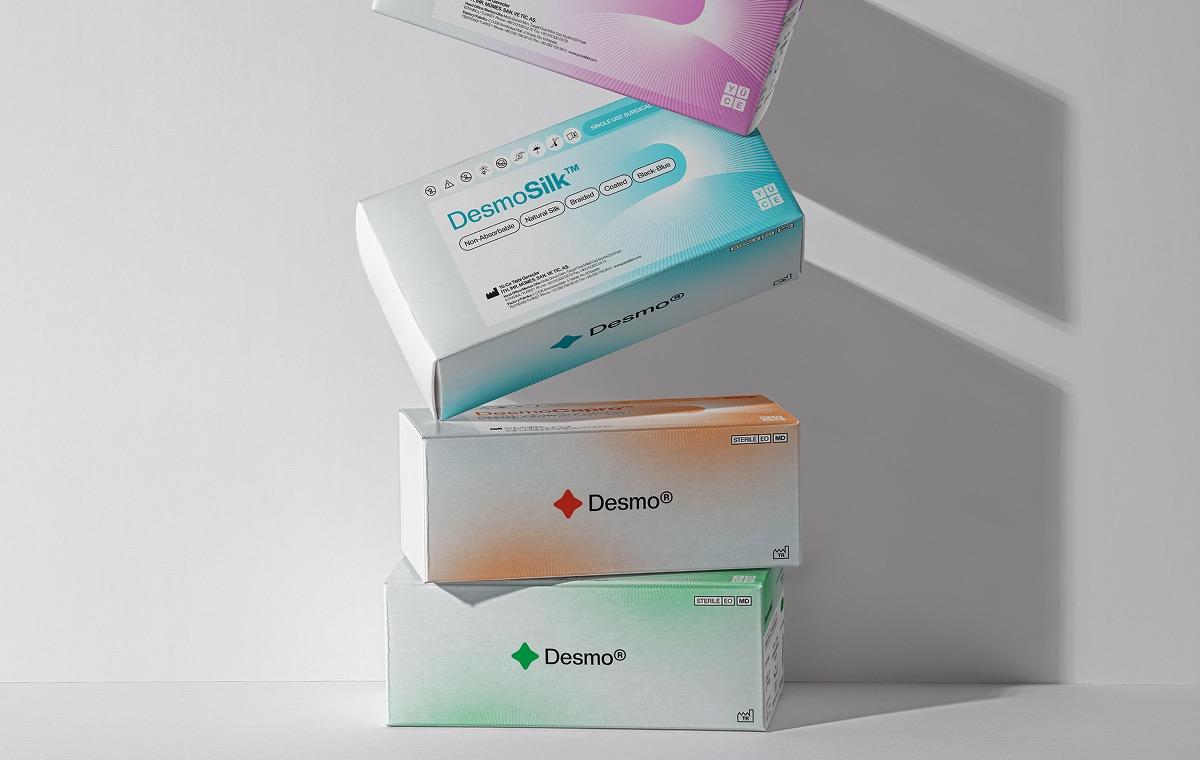
Desmo Care partners directly with hospitals and distributors across multiple countries, offering factory-direct pricing on our full portfolio of absorbable and non-absorbable sutures. Our dedicated procurement team provides customized pricing, flexible MOQs, and private-label options that help healthcare systems achieve meaningful cost savings.