Preventing Surgical Site Infections Through Smart Suture Choice
Surgical site infections (SSIs) affect 2–5% of all surgical patients and cost healthcare systems billions annually. Evidence shows that suture material, structure, and coatings play a measurable role in SSI prevention.
How Big Is the SSI Problem?
Surgical site infections remain the most common healthcare-associated infection worldwide, affecting an estimated 2–5% of patients undergoing inpatient surgery. In the United States alone, SSIs account for approximately 110,000 deaths per year and add $3.5–10 billion in annual healthcare costs. Even a modest reduction in SSI rates yields significant clinical and economic benefits.
What Role Does Suture Material Play in SSI Risk?
Sutures are implanted foreign bodies, and their physical and chemical properties directly influence bacterial colonization. Braided sutures have interstices — microscopic gaps between filaments — that can harbor bacteria and shield them from the host immune response. Research published in the Journal of Hospital Infection demonstrates that braided sutures carry a 2–4x higher bacterial load compared to monofilament alternatives.
Monofilament vs. Braided: The Evidence
A meta-analysis of 12 randomized controlled trials found that monofilament sutures reduced SSI incidence by 30% compared to braided sutures in clean-contaminated surgical wounds. For contaminated and dirty wounds, the difference was even more pronounced. When a braided suture is clinically necessary — such as when superior handling and knot security are required — antimicrobial-coated options can mitigate the infection risk.
Antimicrobial Suture Coatings
Triclosan-coated sutures have demonstrated a 25–30% reduction in SSI rates across multiple systematic reviews. The WHO's 2018 Global Guidelines on SSI prevention include a conditional recommendation for triclosan-coated sutures. However, coating integrity, elution kinetics, and duration of antimicrobial activity vary between manufacturers — making quality certification critical.
Best Practices for SSI Prevention Through Suture Choice
- Use monofilament sutures in contaminated or high-risk wound closures
- Consider antimicrobial-coated sutures for abdominal and colorectal procedures
- Match suture size to tissue — oversized sutures increase foreign body reaction
- Minimize the number of suture passes to reduce tissue trauma
- Select absorbable sutures to eliminate the need for removal in infection-prone patients
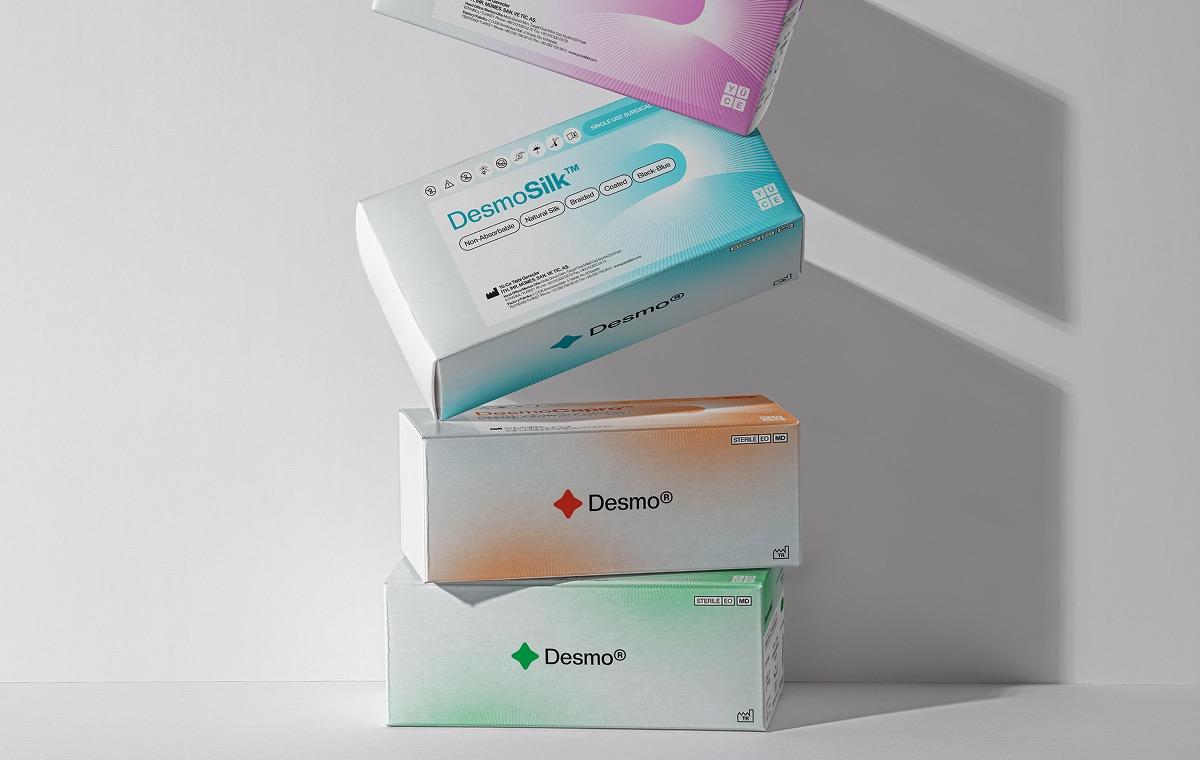
Desmo Care's monofilament suture lines — including polypropylene and polydioxanone — are manufactured under ISO 13485 and CE-certified conditions, ensuring consistent surface smoothness and minimal tissue drag that contribute to lower infection risk.
Conclusion
Suture selection is a modifiable risk factor for SSI. By choosing the right material structure, coating, and size, surgeons can meaningfully reduce postoperative infection rates and improve patient safety.