Suture Reactions: Causes, Prevention, and Management
Suture reactions range from mild erythema to granuloma formation and can mimic surgical site infections. Understanding the immunologic and mechanical causes of suture reactions helps clinicians prevent and manage them effectively.
What Are Suture Reactions?
A suture reaction is an adverse tissue response to implanted suture material. These reactions can be immunologic (foreign body response, allergy) or mechanical (tissue strangulation, excessive tension). Studies estimate that clinically significant suture reactions occur in 1–3% of surgical closures, though subclinical inflammatory responses are nearly universal.
Types of Suture Reactions
- Foreign body granuloma: Chronic inflammatory nodules that form around non-absorbable or slowly absorbing sutures, especially silk and catgut
- Suture abscess: Sterile or infected collections around suture material, often confused with SSI
- Allergic contact dermatitis: Hypersensitivity to suture dyes, coatings, or chromium salts in chromic catgut
- Spitting sutures: Buried sutures that migrate to the skin surface, causing inflammation and sinus tract formation
- Stitch granuloma: Localized tissue overgrowth at suture entry/exit points
What Causes Suture Reactions?
The primary determinant is the suture material itself. Natural materials (silk, catgut) provoke substantially more tissue reaction than synthetic alternatives. A landmark study by Postlethwait (1970) ranked suture reactivity from highest to lowest: plain catgut > chromic catgut > silk > polyester > polyglycolic acid > nylon > polypropylene. Modern synthetic absorbables like polyglactin 910 and polydioxanone fall in the low-reactivity range.
How Can Suture Reactions Be Prevented?
- Use synthetic monofilament sutures when tissue reactivity is a concern
- Avoid silk and catgut in patients with known hypersensitivity or in contaminated wounds
- Use the smallest suture diameter that provides adequate tensile strength
- Place knots away from the skin surface to reduce spitting
- Use absorbable sutures for buried closures to eliminate permanent foreign body presence
Management of Established Reactions
Mild reactions often resolve with warm compresses and observation. Spitting sutures should be removed when accessible. Granulomas may require excision or intralesional corticosteroid injection. In cases of suspected allergic reaction, patch testing can identify the responsible component.
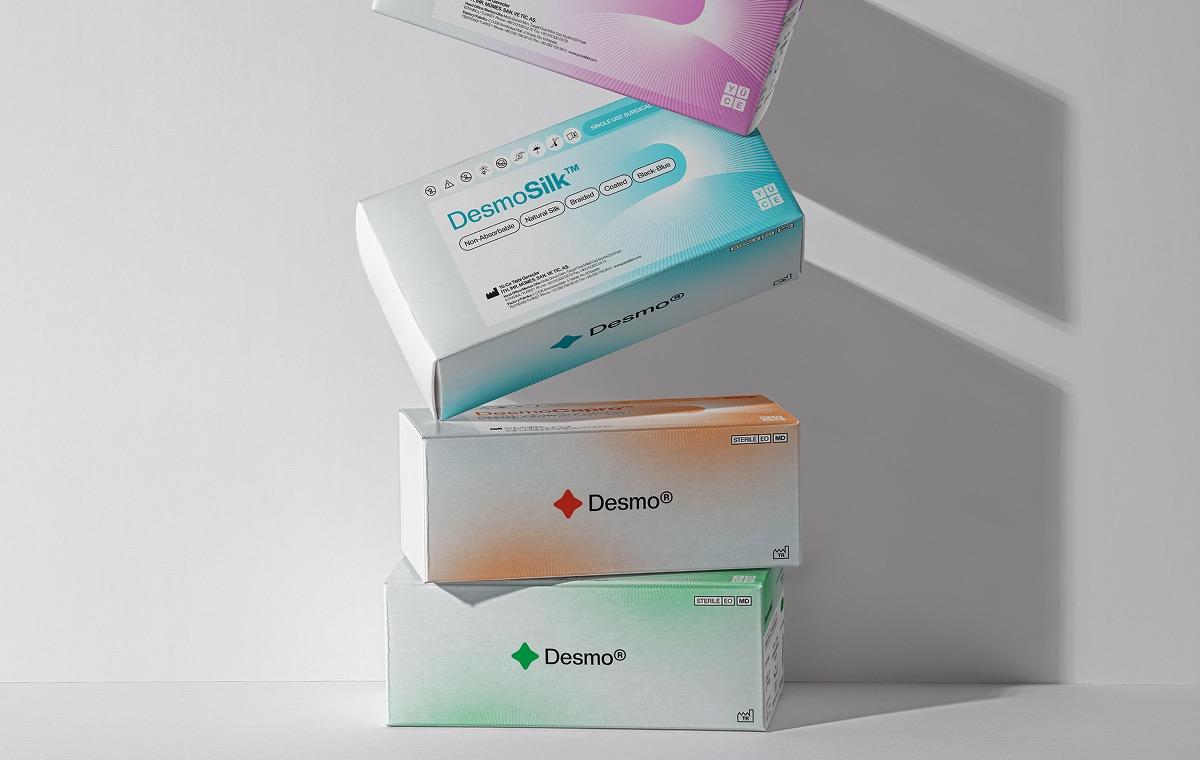
Desmo Care manufactures a comprehensive range of low-reactivity synthetic sutures — both absorbable and non-absorbable — that are specifically engineered to minimize tissue response while maintaining clinical performance. All products undergo biocompatibility testing per ISO 10993.