Value-Based Procurement: Choosing Sutures on Outcomes, Not Just Price
Value-based procurement shifts the focus from unit price to total clinical value — including complication rates, reoperation costs, and patient outcomes. For surgical sutures, this approach can improve quality while reducing total cost of care.
What Is Value-Based Procurement?
Value-based procurement (VBP) is a strategic purchasing approach that evaluates medical products based on clinical outcomes, total cost of ownership, and patient impact — not just the acquisition price per unit. The NHS in England pioneered VBP for medical devices in 2019, and the model is now spreading across Europe, the Middle East, and Asia-Pacific as healthcare systems seek to maximize value from constrained budgets.
Why Unit Price Is a Poor Metric for Suture Selection
A suture packet costing $3 vs. $5 seems like an obvious savings choice. But if the cheaper suture leads to a 1% higher dehiscence rate, the cost of a single wound reoperation ($5,000–$15,000) eliminates the savings from hundreds of packets. VBP calculations show that for every $1 invested in higher-quality sutures, hospitals can save $8–$12 in avoided complication costs.
How to Evaluate Sutures on Value
- Clinical evidence: Does the manufacturer provide complication rate data, clinical evaluation reports, and post-market surveillance outcomes?
- Quality certifications: ISO 13485 and CE marking demonstrate systematic quality management
- Tensile strength consistency: Lot-to-lot variation directly impacts clinical reliability
- Handling characteristics: Surgeon satisfaction reduces OR time and improves closure quality
- Supply chain reliability: Stockouts and backorders create hidden costs and clinical risks
- Sustainability: Environmentally responsible packaging and manufacturing align with institutional ESG goals
Building a VBP Framework for Sutures
Effective VBP requires cross-functional collaboration between surgeons, procurement, pharmacy, and quality departments. A weighted scoring matrix — with clinical performance weighted at 40%, quality/compliance at 25%, total cost at 20%, and service/supply at 15% — provides a structured, defensible evaluation framework.
Case Study: VBP in Practice
A 500-bed hospital in the Gulf region implemented VBP for surgical sutures, switching from the lowest-price supplier to a quality-certified manufacturer offering clinician training and outcome tracking. Within 12 months, wound complication rates dropped 18%, suture waste decreased 22%, and total wound closure costs fell 11% despite a 15% increase in per-unit suture price.
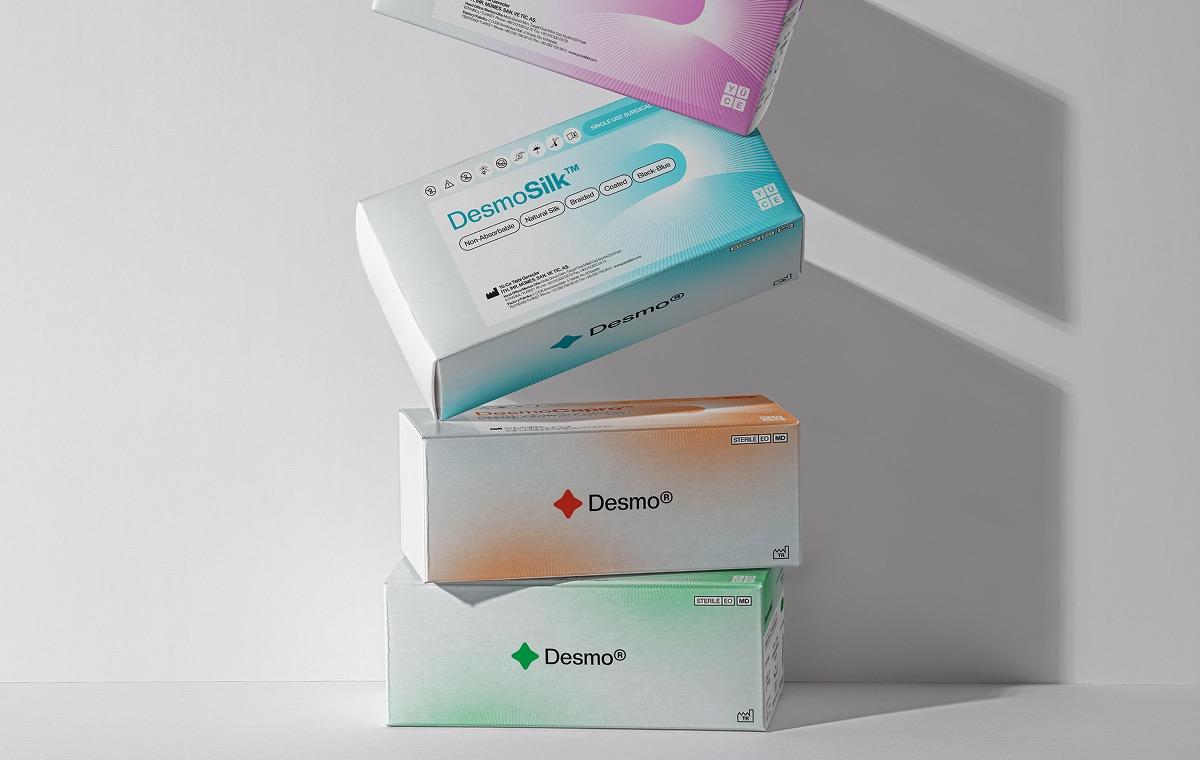
Desmo Care supports value-based procurement by providing comprehensive clinical documentation, consistent product quality validated through ISO 13485 processes, competitive factory-direct pricing, and dedicated technical support — enabling hospitals to achieve better outcomes at sustainable costs.